


The best cheap drone isn't a compromise—it's smart buying. Today's sub-$200 drones deliver 4K cameras, gimbal stabilization, and 30-minute flight times that rival models costing three times as much. Whether you're a gamer exploring FPV flight or a hobbyist learning aerial videography, the most affordable drone with camera has never been more capable. This guide cuts through the marketing and names the specific models worth your money, paired with honest trade-offs so you know exactly what you're getting.
Why Budget Drones Are Better Than Ever
Five years ago, a $200 drone meant plastic frames, sluggish processors, and 720p video. The landscape has flipped completely. Manufacturers now cram 1080p and 4K sensors, brushless motors, and AI-assisted flight modes into sub-$200 packages because competition forced their hand. DJI's focus on premium models and professional tiers left room for companies like Holy Stone, Potensic, and JJRC to dominate the budget segment with surprisingly solid engineering.
Weight is a game-changer here. Most budget drones weigh under 250 grams—the threshold where many regions don't require FAA registration or expensive pilot certifications. Lighter airframes mean less power draw, longer battery life, and significantly safer crashes for your yard or park. They're also portable enough to throw in a backpack without thinking twice, a huge win for hobbyists who fly recreationally or want to travel light.
Battery technology has revolutionized even entry-level models. Even budget-tier drones now sport 15–25-minute flight times on a single charge. Pair that with battery upgrades for longer flight, and you're realistically flying for nearly an hour—enough for serious learning, casual content creation, or exploring a location thoroughly.
The camera sensor race has trickled down too. Where budget drones once shipped with grainy 720p sensors, the current generation regularly includes 4K sensors with genuine 24fps or 30fps capture. The glass is still cheaper (smaller apertures, simpler coatings), but the computational photography is sharp. Advanced drone processors now apply edge enhancement, noise reduction, and color grading in real time—features that used to require post-processing.
Best Drones Under $100
Snaptain SP510
The Snaptain SP510 is the go-to budget starter and holds that position for good reason. It weighs exactly 249 grams, shoots 4K video at 15fps, and includes a 2-axis gimbal for smooth panning and tilting. Beginners love it because the app is genuinely intuitive—GPS automatically holds altitude, the return-home feature works reliably even with weak signal, and the controller feels comfortable in your hands. Flight time hits 18 minutes in calm conditions, and the battery charges fully in about 80 minutes.
The downside is real but manageable: 4K footage isn't as sharp as higher-end models, and gimbal smoothing is adequate rather than professional-grade. You'll notice some jello effect in fast pans. For learning aerial composition, practicing flight basics, and building confidence, though, it punches well above its price and has earned hundreds of positive reviews from first-time flyers.
DEERC DE22
If you want something even cheaper, the DEERC DE22 costs around $70–90 and delivers solid 1080p video with no gimbal. It's lighter at 245 grams, has 13-minute flight time, and handles wind better than you'd expect from such a stripped-down design. It's intentionally minimalist—no fancy obstacle avoidance, no gimbal smoothing—but the brushless motors are responsive and the build quality is genuinely solid. The transmitter range reaches 400 meters on a clear day. Pick this if your priority is durability, wind resistance, and longevity over video quality.
JJRC H78G
The JJRC H78G sits at the high end of the under-$100 tier, usually $100–120. It offers 4K capture at 24fps, exceptional 24-minute flight time, and a sleek folding design that packs into small bags. The stabilization is decent for video, though not gimbal-level smooth. Range is exceptional—up to 2 kilometers on good days with minimal signal lag. Reviewers note it's trickier to fly than the Snaptain (fewer automated helpers), but experienced hobbyists prefer the control and responsiveness.
Best Drones $100–$150

Potensic D88
The Potensic D88 is a genuine sweet spot model. At $130–150, it delivers 4K video at smooth 24fps, a legitimately impressive 3-axis gimbal, and one of the longest flight times in this price range—31 minutes per battery. The gimbal is noticeably smoother than cheaper competitors, making even handheld-style footage look nearly professional without post-processing. GPS is rock-solid, and the app includes waypoint mission programming for automated flights. The catch is real: it's bulkier than the Snaptain and harder to travel with due to its 350-gram weight and larger folded footprint. For stationary setups, backyard content creation, or dedicated flight sessions, it's exceptional value.
Holy Stone HS720G
Holy Stone's HS720G typically prices at $140–160 and is an aggressive competitor in this tier. It delivers 4K at 24fps, maintains 28-minute flight time, and includes a full 3-axis gimbal with dedicated hardware controls on the transmitter. The controller feels premium compared to budget rivals, with tactile buttons for gimbal pan, tilt, and roll adjustments. Video quality edges ahead of the Potensic thanks to superior image processing and color science. Wind resistance is notably strong—it handles gusty conditions and turbulent air better than lighter models. The reported downside is occasional GPS acquisition lag in urban canyons, though firmware updates have mostly resolved this issue.
Best Drones $150–$200
DJI Mini 2 SE
The DJI Mini 2 SE costs around $190–210 and represents the platform leader in this price range. At 249 grams, it's lightweight enough for casual travel. It shoots 1080p and 2.7K video with exceptional color grading straight from the sensor—DJI's color science is industry-leading at this price point. Flight time reaches 31 minutes, and GPS integration is genuinely industry-leading with reliable lock in seconds. The Ocusync transmission technology maintains a strong signal even in dense urban environments with RF interference. What truly sets it apart is the ecosystem: the DJI Fly app is beautifully designed, learning resources are abundant, and resale value is remarkably high. For beginners who want to invest in a platform they'll grow with, this is the recommended drone.
Autel Evo Nano Series
Autel's Evo Nano models hover near the $180–210 range depending on the variant and promotions. They punch above their weight with 4K video capture, 32-minute flight time, and obstacle avoidance on all six sides (front, back, left, right, top, bottom). The gimbal is exceptionally smooth—professional-grade stabilization that costs double on competing brands. Autel invests heavily in app features and regular firmware updates, often adding capabilities months after purchase. The ecosystem is intentionally smaller than DJI's, which means focused attention and fewer abandoned products. Gamers and flight enthusiasts gravitate toward these because they feel over-engineered for the price.
Holy Stone HS950G
The HS950G ($180–200) is Holy Stone's flagship budget model and deserves serious consideration. It captures 4K at 30fps, maintains an impressive 35-minute flight time, uses 5GHz WiFi for extended range, and pairs a stabilized gimbal with responsive motors. It feels noticeably faster compared to other competitors in this segment—motor response is snappier, acceleration is smooth, and the airframe is genuinely rigid. The trade-off is substantial: it weighs around 450 grams and has a larger folded footprint, making travel less convenient. For someone prioritizing flight performance and video quality over portability, it's a genuine contender.
Feature Comparison Table
| Model | Price | Max Flight Time | Video Resolution | Gimbal Type | Weight | Best For |
|---|---|---|---|---|---|---|
| Snaptain SP510 | $80–100 | 18 min | 4K 15fps | 2-axis | 249g | Budget learners, portability |
| DEERC DE22 | $70–90 | 13 min | 1080p | None | 245g | Durability, wind resistance |
| JJRC H78G | $100–120 | 24 min | 4K 24fps | None | ~280g | Range, experienced pilots |
| Potensic D88 | $130–150 | 31 min | 4K 24fps | 3-axis | ~350g | Video quality, missions |
| Holy Stone HS720G | $140–160 | 28 min | 4K 24fps | 3-axis | ~400g | Professional feel, wind |
| DJI Mini 2 SE | $190–210 | 31 min | 2.7K max | 1-axis | 249g | Ecosystem, reliability |
| Autel Evo Nano | $180–210 | 32 min | 4K 30fps | 3-axis | ~280g | Obstacle avoidance |
| Holy Stone HS950G | $180–200 | 35 min | 4K 30fps | 3-axis | ~450g | Performance, video |
Camera Quality at Budget Prices
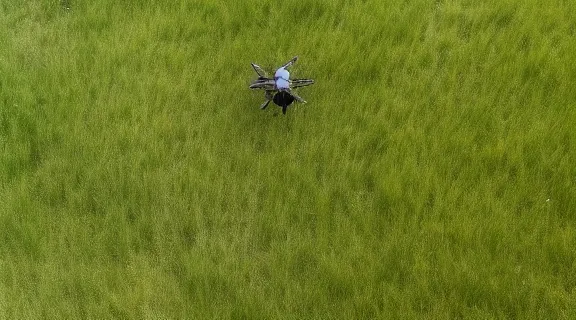
The biggest surprise for shoppers: sub-$200 drones now produce genuinely clean, detailed footage. The Potensic D88 and Holy Stone HS720G record 4K at legitimate 24fps—not a gimmick where 60fps footage is downsampled—with usable color grading baked into the image pipeline. The color science has matured; footage is warm and flattering rather than the harsh, oversaturated look of budget Chinese models from five years ago.
The technical limiting factor isn't the sensor; it's the lens. Budget gimbals have smaller optics with narrower maximum apertures, typically f/2.8 or narrower. In low-light conditions—golden hour, shade, indoor spaces—this means noisier footage. At midday with good direct sun, the visual difference between a $200 and $2,000 drone's video is visible but not dramatic. Composition, camera movement, framing, and gimbal smoothness matter far more at this price point than sensor specs on paper.
Gimbal stabilization quality varies dramatically across this segment. The best cheap drones under $200 use either 2-axis (tilt and pan) or 3-axis (tilt, pan, and roll) gimbals. A 3-axis gimbal keeps footage level regardless of how the drone tilts or rolls—absolutely essential for professional-looking video. Models like the Potensic D88, Holy Stone HS720G, and Holy Stone HS950G deliver gimbal quality that rivals drones released ten years earlier at triple the cost. Cheap motors or sloppy bearings can ruin an otherwise good drone, so check actual footage samples from unboxing videos before committing money.
Post-production unlocks the full potential of budget footage. Shoot in flat color profiles when available (not all budget models offer this), use stabilization filters in post, and grade to taste. DJI's D-Log profiles are industry gold, but most budget drones lack flat modes entirely. Work with what you have, and you'll be surprised at how far color grading can push the footage.
Recommended Models by Skill Level
Absolute Beginner (Never Flown Before)
Start with either the Snaptain SP510 or DJI Mini 2 SE. Both have forgiving flight characteristics, stable GPS holds, and extensive tutorial content. The Snaptain is cheaper and tough enough for learning crashes; the DJI has a bigger user community, better long-term software support, and higher resale value. You genuinely can't go wrong either way—pick based on budget and whether you prefer ecosystem maturity or raw affordability. The best beginner drone app control from either brand will feel intuitive within your first 30 minutes.
Intermediate Hobbyist (10+ Hours of Flight Time)
The Holy Stone HS720G or Potensic D88 become your sweet spot. You understand basic flight mechanics, trimming, and GPS failsafes. You want noticeably smoother video than a 2-axis gimbal can provide. The 3-axis gimbal is a meaningful jump in quality, and the longer flight times let you tackle real projects instead of 15-minute test flights. The HS720G feels more like a "real" drone, with premium controller materials and snappier response. The Potensic is optimized purely for content creation.
Prioritizing Best Value for Money
Most experienced users point to the DJI Mini 2 SE for ecosystem maturity and resale value. However, if video quality is your primary priority, the Potensic D88 delivers more gimbal smoothness for less money. The Autel Evo Nano is the dark-horse pick—fewer casual hobbyists know about it, but the gimbal quality and obstacle avoidance justify the price premium, especially if you're flying in cluttered environments.
Planning Your Upgrade Path
Buying a $100–150 drone as your first isn't wasted money. Resale value is genuinely real, especially for DJI models and established brands. Many users fly for 20–30 hours, then upgrade to a best cheap 4k drone with gimbal stabilization, then move to a completely different category based on their actual use case—professional, compact for travel, or long-range racing. Budget drones are the perfect stepping stone into the hobby. Link early to the best drone to buy guide to understand how budget models fit into the bigger picture.
For complete context on making the right choice, explore the full drone comparison guide and how to choose a drone framework.
Frequently Asked Questions
What's the best drone to buy for the money?
The Potensic D88 offers the highest value-to-price ratio: 4K video at 24fps, 31-minute flight time, a genuinely smooth 3-axis gimbal, and automated waypoint missions, all for $130–150. If you want ecosystem maturity, proven software support, and strong resale value, the DJI Mini 2 SE at $200 is worth the premium. Your specific choice depends on whether you prioritize raw camera specifications or platform reliability.
What is the best drone to buy on Amazon?
Most budget drones are available on Amazon, though inventory fluctuates. Search for "Potensic D88," "Holy Stone HS720G," or "Snaptain SP510"—these typically have fast shipping, customer photos, and detailed reviews. Always verify the seller's rating and check whether the product is sold directly by Amazon or a third-party reseller; authorized dealers protect you better for warranty claims and returns. Read the Q&A section carefully—actual buyers often answer technical questions.
Which is the best drone to buy in india?
Indian availability is more limited due to import duties and regional restrictions. The Snaptain SP510 and Potensic D88 occasionally appear in stock on Flipkart and Amazon India, but pricing is significantly higher than US equivalents. Local alternatives like the JJRC H78G (often rebranded for Indian markets) are more accessible. Check regional retailer communities for stock updates. DJI models are available but expensive due to tariffs. Most recommended drones for beginners in India come from brands with strong local customer support, so ask seller communities for region-specific advice before ordering.
Do budget drones require FAA registration?
In the United States, any drone weighing more than 0.55 pounds (250 grams) requires FAA registration. Most budget drones weigh 249 grams or less, placing them just under the threshold. However, registration rules vary by country and region—check your local aviation authority's regulations before flying. Some states and municipalities have additional local restrictions. The weight specification matters: models listed as 249 grams should be verified on your actual scale before flight.
Conclusion
Budget drones have matured into genuinely capable machines. The best cheap drone under $200 isn't a toy or a learning sacrifice—it's a legitimate choice for hobbyists, casual content creators, and first-time flyers who want quality without premium pricing. Whether you choose the Snaptain SP510 for starter-friendliness, the Potensic D88 for gimbal quality, or the DJI Mini 2 SE for ecosystem support, you're not settling for less.
Get your drone in the air with top drone accessories to boost safety and performance, verify local regulations, and start flying. Your first aerial shot will justify the investment.



Leave a Reply