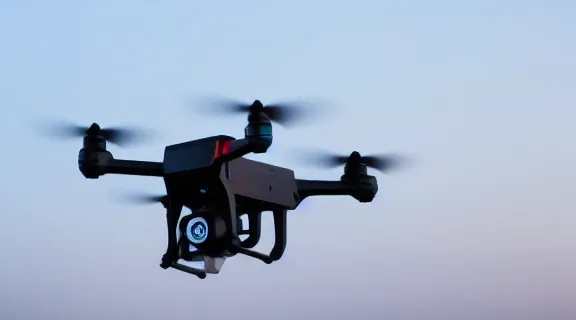
Best Beginner Drones: Easy to Fly & Robust Picks
Embarking on the journey of drone piloting can be exhilarating, but choosing the right equipment is crucial for a smooth start. The best beginner drones offer a perfect blend of ease of use, durability, and essential features, ensuring new pilots can master the basics without frustration. This comprehensive guide helps you navigate the options, highlighting models that provide an intuitive flying experience and stand up to the inevitable learning bumps.
Why Start with a Beginner Drone?
For aspiring drone enthusiasts, opting for a model specifically designed for beginners is a strategic decision. These drones are engineered to simplify the learning curve, mitigate common piloting challenges, and absorb the occasional impact. They prioritize stability, user-friendliness, and cost-effectiveness, allowing new pilots to develop essential skills without significant investment or risk to complex, high-end equipment.
Simplified Controls and Learning Aids
Beginner drones often feature intuitive controls, sometimes including a "headless mode" which eliminates the need to orient the drone relative to its front, and "one-key take-off/landing" functions. Many also integrate advanced sensors like optical flow or barometers to maintain stable altitude and position, freeing the pilot to focus on directional control rather than constant throttle adjustments. These features are invaluable for building confidence and muscle memory.
Enhanced Durability for Early Flights
Crashes are an inevitable part of learning to fly. Beginner drones are typically constructed from robust, lightweight plastics and often include propeller guards as standard. This focus on durability means they can withstand minor impacts and tumbles, reducing the likelihood of costly repairs and keeping the learning process uninterrupted.
Cost-Effective Entry Point
Investing in a high-end drone before mastering the basics is impractical for most. Beginner drones are significantly more affordable, making them an accessible entry point into the hobby. This allows new pilots to explore their interest without a substantial financial commitment, ensuring that if drone flying isn't for them, the initial outlay is minimal.
Essential Features for the Best Beginner Drones
When selecting your first drone, certain features are paramount for a positive learning experience. These functionalities enhance safety, simplify control, and provide a stable platform for skill development.
GPS and Return-to-Home (RTH)
GPS integration is a game-changer for beginner drones. It allows the drone to hold its position accurately outdoors, even in light winds, and enables automated features like Return-to-Home (RTH). With RTH, if the battery runs low or the control signal is lost, the drone can automatically fly back to its take-off point, preventing accidental losses and reducing pilot anxiety.
Altitude Hold and Optical Flow Positioning
Altitude Hold uses a barometer to maintain a consistent height, allowing pilots to concentrate on forward, backward, and sideways movements. Optical flow sensors, typically found on the drone's underside, help maintain position indoors or in areas without GPS, by "seeing" the ground patterns and making micro-adjustments. These features contribute significantly to stable flight and easier control.
Headless Mode
For absolute beginners, headless mode simplifies orientation. When activated, the drone's "front" always aligns with the pilot's perspective, regardless of the drone's actual orientation. Pushing the stick forward always makes the drone fly away from the pilot, and pulling it back always brings it closer. This eliminates confusion and makes directional control more intuitive.
Propeller Guards and Durable Construction
Propeller guards are essential safety features for beginners, protecting both the propellers from damage during collisions and people/objects from rotating blades. Drones made from flexible, impact-resistant materials like ABS plastic can absorb shocks better than rigid, brittle ones, ensuring longevity through the learning phase.
Battery Life and Modular Batteries
While beginner drones typically have shorter flight times (often 8-15 minutes), look for models with easily swappable, modular batteries. Having multiple charged batteries allows for extended practice sessions without long charging interruptions, maximizing your time in the air.
Camera Quality (Optional but Desirable)
Many beginner drones now include integrated cameras, ranging from basic 720p to decent 1080p or even 2.7K. While not the primary focus for learning to fly, a camera allows new pilots to experiment with aerial photography and videography, adding another layer of enjoyment to the hobby. Look for models with FPV (First Person View) capabilities, which transmit live video to your smartphone, enhancing the immersive experience.
Top Picks: The Best Beginner Drones for New Pilots
Selecting the perfect first drone can be daunting, given the array of options. Here, we highlight several models renowned for their beginner-friendly features, durability, and overall value.
DJI Mini Series (Mini 2 SE, Mini 3, Mini 4K)
DJI's Mini series consistently ranks among the best beginner drones for its blend of advanced features and user-friendliness. While slightly pricier than some entry-level options, the Mini drones offer exceptional stability, reliable GPS, and high-quality cameras in a sub-250g package (meaning no FAA registration required in many regions for recreational use).
- DJI Mini 2 SE: An excellent entry point, offering 2.7K video, 10km video transmission, and robust flight performance at a more accessible price. Its intuitive controls and excellent stability make it ideal for learning.
- DJI Mini 3 / Mini 4K: Stepping up to 4K video, improved sensors, and sometimes longer flight times. These models retain the beginner-friendly design while offering enhanced imaging capabilities as pilots grow.
Pros: Excellent stability, reliable GPS, good camera quality, compact and lightweight, robust app with tutorials.
Cons: Higher price point than many toy drones, replacement parts can be more expensive.
Holy Stone HS Series (e.g., HS110D, HS720G)
Holy Stone is a popular brand known for producing reliable and feature-rich beginner drones. Their HS series often includes GPS, altitude hold, and robust designs, making them great for outdoor learning.
- Holy Stone HS110D: A very popular option for absolute beginners, featuring 1080p camera, altitude hold, headless mode, and app control. It's durable and affordable, perfect for indoor and gentle outdoor flights.
- Holy Stone HS720G: A step up, offering GPS, 4K camera, and brushless motors for more stable and powerful flight. It's a fantastic drone for learning more advanced maneuvers and exploring aerial photography with confidence.
Pros: Affordable, good feature set for the price, durable, often includes extra batteries.
Cons: Camera quality can be inconsistent on lower-end models, app can sometimes be clunky.
Ryze Tello (Powered by DJI)
The Ryze Tello is a unique option, powered by DJI and Intel technology, making it incredibly stable for its size and price. It's an excellent indoor drone and a fantastic educational tool for learning to code with drones.
- Ryze Tello: Features a 720p camera, electronic image stabilization, and vision positioning for stable indoor hover. It supports programming languages like Scratch, making it ideal for STEM education alongside flight practice.
Pros: Extremely stable indoors, compact, durable, educational programming capabilities, affordable.
Cons: Limited outdoor range and wind resistance, 720p camera is basic, short flight time.
Potensic Atom SE
The Potensic Atom SE stands out as a strong competitor in the sub-250g category, offering features typically found in more expensive drones. It's a great choice for beginners looking for a drone that can grow with their skills.
- Potensic Atom SE: Boasts a 4K camera, GPS, 3-axis electronic image stabilization (EIS), and a respectable flight time, all while staying under the 250g registration threshold. Its robust build and intuitive controls make it an attractive option.
Pros: Excellent value for money, 4K camera with EIS, good flight range and time, sub-250g.
Cons: EIS isn't as smooth as a mechanical gimbal, app can have occasional quirks.
Comparison Table: Best Beginner Drones at a Glance
| Feature | DJI Mini 2 SE | Holy Stone HS720G | Ryze Tello | Potensic Atom SE |
|---|---|---|---|---|
| Weight | <249g | 440g | 80g | <249g |
| Camera | 2.7K @ 30fps | 4K @ 30fps | 720p @ 30fps | 4K @ 30fps (EIS) |
| Flight Time | ~31 min | ~26 min | ~13 min | ~31 min |
| GPS | Yes | Yes | No (Vision Positioning) | Yes |
| Stability | Excellent | Very Good | Excellent (Indoors) | Very Good |
| Durability | Good (Lightweight) | Very Good (Robust Build) | Good (Compact, Prop Guards) | Good (Lightweight) |
| Best Use | Outdoor, Aerial Photos | Outdoor, Advanced Learning | Indoor, STEM, Basic Fun | Outdoor, Aerial Photos |
| Registration Req. | No (USA, recreational) | Yes (USA) | No (USA) | No (USA, recreational) |
Note: Flight times are maximums under ideal conditions and vary with actual usage.
How to Choose Your First Drone
Selecting the ideal beginner drone involves considering a few key factors that align with your aspirations and budget.
Define Your Primary Use Case
Are you looking for a drone primarily for indoor fun, outdoor exploration, or to capture basic aerial photos and videos?
- Indoor Fun/Learning: Look for smaller, lighter drones with propeller guards and good indoor stability (e.g., Ryze Tello, small toy drones).
- Outdoor Learning/Basic Photography: Drones with GPS, better wind resistance, and a decent camera are ideal (e.g., DJI Mini series, Holy Stone HS720G, Potensic Atom SE).
Set a Realistic Budget
Beginner drones range from under $100 to $500+. Decide how much you're willing to invest, keeping in mind that higher price points often unlock better features like GPS, longer flight times, and superior camera quality. Remember to factor in extra batteries, which are almost always a worthwhile investment.
Prioritize Key Features
Based on your use case, identify which features are non-negotiable.
- Stability: Essential for all beginners. Look for altitude hold, optical flow, or GPS.
- Durability: High priority for learning. Propeller guards and robust materials are key.
- Ease of Control: Headless mode, one-key functions, and intuitive apps simplify the process.
- Camera: If aerial photography is a goal, consider resolution, stabilization (EIS or gimbal), and FPV capabilities.
Consider Drone Regulations
In many countries, drones weighing 250 grams or more require registration with aviation authorities (e.g., FAA in the USA). Drones under 250g (like the DJI Mini series or Potensic Atom SE) are often exempt from this requirement for recreational flyers, simplifying the process of getting started. Always check local regulations before flying.
Essential Drone Flying Tips for New Pilots
Mastering drone flight takes practice and patience. These tips will help you get off to a good start and ensure safe, enjoyable flights.
1. Read the Manual Thoroughly
Before your first flight, dedicate time to understanding your drone's manual. It contains crucial information about controls, safety features, charging, and troubleshooting.
2. Start in a Safe, Open Area
Choose a large, open space away from people, buildings, trees, and power lines. A clear field or a large park is ideal. Avoid flying near airports or restricted airspaces.
3. Check Weather Conditions
Wind is the biggest enemy of small drones. Never fly in strong winds, rain, or fog. Even light breezes can make control difficult for beginners. Always check the weather forecast, paying particular attention to wind speeds.
4. Perform Pre-Flight Checks
Before every flight:
- Ensure batteries (drone and controller) are fully charged.
- Check propellers for damage and ensure they are securely attached.
- Confirm the drone has a clear GPS signal (if applicable).
- Verify no obstacles are nearby.
5. Practice Basic Maneuvers
Begin with simple exercises:
- Hovering: Practice taking off, hovering steadily at eye level, and landing.
- Directional Control: Fly forward, backward, left, and right in a square or figure-eight pattern.
- Orientation: If using headless mode, practice with it, then try without it to understand real drone orientation.
6. Keep the Drone in Sight
Always maintain visual line of sight (VLOS) with your drone. This is often a legal requirement and helps prevent accidents.
7. Land When Battery is Low
Never push your battery to the absolute limit. Most drones will give low battery warnings; heed them and land safely before the drone attempts an auto-land or loses power mid-air.
Understanding Drone Regulations
Drone regulations vary significantly by country and even by local municipality. As a new pilot, understanding and adhering to these rules is paramount for safe and legal operation.
Federal Aviation Administration (FAA) in the USA
For recreational flyers in the United States, key regulations include:
- Registration: Drones weighing 0.55 pounds (250 grams) or more must be registered with the FAA. Your registration number must be marked on your drone.
- TRUST Test: All recreational drone pilots must pass The Recreational UAS Safety Test (TRUST), a free online aeronautical knowledge and safety test.
- Airspace Restrictions: Avoid flying in restricted airspace (e.g., near airports, military bases, national parks). Always check airspace using apps like B4UFLY or AirMap.
- Visual Line of Sight (VLOS): You must keep your drone within your visual line of sight at all times.
- Altitude Limit: Recreational flights are generally limited to 400 feet above ground level.
- No Flying Over People/Vehicles: Avoid flying directly over unprotected people or moving vehicles.
International Regulations
Similar regulations exist in other countries. For example, EASA (European Union Aviation Safety Agency) sets standards for EU member states, often categorizing drones by weight and risk. Transport Canada oversees drone operations in Canada. Always consult your specific country's aviation authority for detailed information. Many countries offer beginner-friendly guides and online resources to help new pilots understand their responsibilities.
Frequently Asked Questions
What is the easiest drone to fly for a beginner?
The easiest drones for beginners are typically those with features like altitude hold, one-key take-off/landing, and GPS positioning. Smaller, lightweight models like the Ryze Tello (for indoors) or the DJI Mini 2 SE (for outdoors) are often cited as incredibly user-friendly due to their stability and intuitive controls.
Do I need to register my beginner drone?
In many regions, including the USA, drones weighing 250 grams (0.55 pounds) or more are required to be registered with the national aviation authority (e.g., FAA). Drones under this weight, like the DJI Mini series or Potensic Atom SE, are often exempt for recreational use, making them a popular choice for new pilots. Always check your local regulations.
How long do beginner drone batteries last?
Beginner drone batteries typically offer flight times ranging from 8 to 15 minutes per charge. Some more advanced beginner models, like the DJI Mini series or Potensic Atom SE, can extend this to 25-30 minutes. It's highly recommended to purchase extra batteries to maximize your flying time.
Can beginner drones take good photos and videos?
While not their primary purpose, many modern beginner drones can capture surprisingly good photos and videos. Models like the Holy Stone HS720G or the Potensic Atom SE offer 4K cameras, and the DJI Mini series provides excellent 2.7K or 4K footage. Look for features like electronic image stabilization (EIS) or a mechanical gimbal for smoother results.
Is it hard to learn to fly a drone?
Learning to fly a drone is generally not difficult, especially with modern beginner models equipped with stability features. The initial challenge is getting accustomed to the controls and spatial orientation. Consistent practice in a safe environment, starting with basic maneuvers, will quickly build your confidence and skill.
Conclusion
Choosing the best beginner drones sets the stage for a rewarding entry into the world of aerial exploration. By prioritizing user-friendly features, robust construction, and understanding essential flying tips and regulations, new pilots can confidently take to the skies. Whether you're aiming for simple fun, learning basic maneuvers, or capturing your first aerial photographs, there's a perfect beginner drone waiting for you. Select a model that aligns with your budget and aspirations, and prepare for an exciting new perspective.
