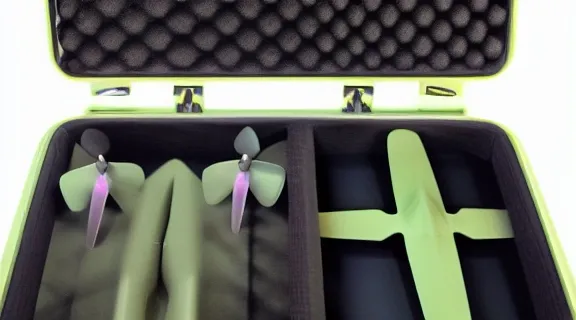
Best Drone Storage Cases: Ultimate Protection & Portability
Drones represent a significant investment, making their safe transport and storage paramount. The right drone storage case not only safeguards your equipment from physical damage and environmental factors but also organizes accessories, ensuring you're always ready for flight. This comprehensive guide details the best drone storage cases available, exploring various types, essential features, and expert advice to help you choose the ideal solution for your needs.
Why a Dedicated Drone Storage Case is Essential
Investing in a high-quality drone storage case is not merely an option; it's a necessity for any serious drone pilot. Unlike general-purpose bags, dedicated cases are engineered with specific protections in mind, addressing the unique vulnerabilities of drone components. Neglecting proper storage can lead to costly repairs, diminished performance, or even total loss of your drone.
Protection from Physical Damage
Drones, with their delicate propellers, camera gimbals, and electronic components, are susceptible to impact damage. A robust storage case provides a protective shell, absorbing shocks and impacts that could otherwise render your drone inoperable. Hard cases, in particular, offer superior crush resistance, crucial for situations where your gear might be stacked or subject to heavy pressure.
Defense Against Environmental Factors
Moisture, dust, dirt, and extreme temperatures pose significant threats to drone electronics and mechanics. Many high-quality drone cases feature watertight seals, dustproof zippers, and specialized materials designed to repel contaminants. This protection extends the lifespan of your drone and ensures reliable operation in diverse environments, from sandy beaches to humid forests.
Organization and Accessibility
A well-designed drone case includes custom-cut foam inserts or adjustable dividers that cradle your drone, batteries, controller, spare propellers, charging hubs, and other accessories. This organization prevents components from shifting and colliding during transit, minimizing wear and tear. Furthermore, it ensures all essential items are neatly arranged and easily accessible, saving time during setup and breakdown.
Security and Peace of Mind
Beyond physical protection, a secure drone case deters theft. Many cases feature lockable latches or zippers, providing an additional layer of security, especially when traveling or storing your drone in less secure locations. Knowing your expensive equipment is safely stored and protected offers invaluable peace of mind.
Types of Drone Storage Cases
The market offers a variety of drone storage cases, each designed to meet different needs regarding protection, portability, and functionality. Understanding the distinctions between hard cases, soft cases, and specialized backpacks is crucial for making an informed decision.
Hard Cases
Hard cases are the pinnacle of protection for drones. Constructed from durable materials such as high-impact polypropylene, reinforced resin, or aluminum, these cases offer exceptional resistance to crushing, impacts, and punctures. Many hard cases are also waterproof, dustproof, and airtight, making them ideal for extreme environments or air travel.
- Pros: Maximum protection, crushproof, watertight, often lockable, suitable for checked luggage.
- Cons: Heavier, bulkier, less comfortable for long-distance carrying, generally higher cost.
- Best for: Professional cinematographers, industrial inspectors, pilots frequently traveling by air, or anyone needing ultimate protection for high-value drones.
Soft Cases and Backpacks
Soft cases and backpacks prioritize portability and comfort. Typically made from durable nylon, polyester, or Cordura, these options feature padded compartments and often custom-fit inserts. They are significantly lighter and easier to carry than hard cases, making them ideal for hiking, cycling, or daily commutes.
- Pros: Lightweight, comfortable to carry, often have additional pockets for personal items, more discreet appearance.
- Cons: Less protection against crushing and severe impacts, generally not fully waterproof (though some offer water-resistant materials).
- Best for: Hobbyists, travelers who need to carry their drone for extended periods, or those seeking a more discreet carrying solution.
Specialized Briefcases and Sling Bags
For smaller, more compact drones, specialized briefcases or sling bags offer a minimalist approach to carrying. These are designed for quick deployment and often feature sleek designs, suitable for urban environments or short outings.
- Pros: Extremely portable, compact, quick access, often stylish.
- Cons: Limited space for accessories, minimal protection compared to hard cases, only suitable for smaller drones.
- Best for: Mini drones, casual pilots, or those needing a quick grab-and-go solution.
Key Features to Look for in Drone Storage Cases
When evaluating the best drone storage cases, several critical features dictate their effectiveness and suitability for your specific use case. Prioritizing these elements ensures your investment provides the necessary protection and convenience.
Material Durability
The material choice directly impacts the case's ability to withstand abuse.
- Hard Cases: Look for cases made from injection-molded, high-impact polymers (like HPX resin or polypropylene). These materials offer superior resistance to drops, crushing, and chemical exposure. Aluminum cases provide good rigidity but can dent.
- Soft Cases/Backpacks: Seek out heavy-duty fabrics such as 1000D Cordura or ballistic nylon. These materials are abrasion-resistant and offer good tear strength. Reinforced stitching and high-quality zippers (e.g., YKK) are also indicators of durability.
Water and Dust Resistance
Protecting against the elements is crucial for drone longevity.
- IP Ratings: For hard cases, look for an Ingress Protection (IP) rating, such as IP67, which signifies complete protection against dust and temporary immersion in water (up to 1 meter for 30 minutes).
- O-ring Seals: High-quality hard cases utilize rubber O-ring seals around the lid to create a watertight and airtight barrier.
- Water-Resistant Zippers/Fabric: Soft cases may feature coated fabrics or water-resistant zippers, offering protection against light rain or splashes, though rarely fully submersible.
Interior Customization and Protection
The inside of the case is just as important as the outside.
- Custom-Cut Foam: Many cases come with pre-cut foam inserts specifically designed for popular drone models (e.g., DJI Mavic series, Autel Evo). This provides a snug fit, preventing movement.
- Pick-N-Pluck Foam: This type of foam allows you to customize the interior layout by removing small foam cubes to match your drone and accessories perfectly. It offers versatility but might not be as durable as custom-cut foam over time.
- Adjustable Dividers: Found primarily in soft cases and backpacks, these padded dividers can be rearranged using Velcro attachments, offering flexibility for different gear configurations.
- Lining Material: Soft, non-abrasive lining prevents scratches on your drone's surface and camera lens.
Portability and Ergonomics
Consider how you will carry your drone.
- Handles: Ergonomic, rubberized handles on hard cases provide a comfortable grip, especially for heavier loads.
- Wheels: For very large or heavy hard cases, integrated wheels and an extendable handle are essential for easy transport.
- Shoulder Straps/Backpack Harness: Padded, adjustable shoulder straps, sternum straps, and waist belts are crucial for comfortable carrying of soft cases and backpacks, distributing weight evenly.
- Weight: Always consider the empty weight of the case, especially if you plan to carry it for extended periods or adhere to airline weight restrictions.
Security Features
Protecting against theft is a significant concern.
- Lockable Latches: Many hard cases feature reinforced padlock holes or integrated combination locks.
- Lockable Zippers: Soft cases often have double zippers that can be secured with a small padlock.
- Hidden Pockets: Some backpacks include concealed pockets for valuable items.
Comparison: Hard Case vs. Soft Case/Backpack
Choosing between a hard case and a soft case/backpack often comes down to balancing protection with portability. Here's a comparative overview:
| Feature | Hard Case | Soft Case / Backpack |
|---|---|---|
| Protection | Excellent (crush, impact, water, dust) | Good (impact, abrasion, some water resistance) |
| Durability | Very High (long-lasting, extreme conditions) | High (abrasion-resistant fabrics) |
| Portability | Lower (heavier, bulkier, often with wheels) | Higher (lighter, ergonomic straps) |
| Weight | High | Low to Medium |
| Cost | Higher | Lower to Medium |
| Customization | Pick-N-Pluck foam, custom inserts | Adjustable padded dividers |
| Weatherproofing | IP-rated (watertight, dustproof) | Water-resistant (splashes, light rain) |
| Security | Lockable latches, very robust | Lockable zippers (less robust) |
| Best Use | Air travel, extreme conditions, storage | Hiking, daily commutes, general transport |
Top Considerations for Specific Drone Types
The "best" drone storage case isn't universal; it depends heavily on the size and model of your drone, as well as its intended use.
Compact & Foldable Drones (e.g., DJI Mini Series, Mavic Air)
For smaller, highly portable drones, the emphasis is often on convenience and quick deployment.
- Recommended: Small, lightweight soft cases, sling bags, or compact hard cases.
- Key Features: Minimal bulk, space for extra batteries, controller, and perhaps a small charging hub. Look for cases that fit into a larger backpack or carry-on. A semi-hard shell case can offer a good balance of protection and portability.
Mid-Sized Drones (e.g., DJI Mavic Pro/3, Autel Evo Lite/Pro)
These are popular choices for enthusiasts and many professionals, requiring a balance of protection and capacity for accessories.
- Recommended: Dedicated backpacks with custom inserts or medium-sized hard cases.
- Key Features: Ample space for the drone, multiple batteries, controller, smart charger, spare props, filters, and possibly a tablet or small laptop. Good padding and organizational pockets are essential. If you travel by air, a hard case with an IP rating is highly advisable.
Large & Professional Drones (e.g., DJI Inspire, Matrice Series, FPV Drones)
These larger, often more expensive drones demand the highest level of protection and significant accessory storage.
- Recommended: Large, wheeled hard cases with custom foam inserts.
- Key Features: Extreme durability (crushproof, waterproof), secure locking mechanisms, enough space for the drone, multiple battery packs, professional controller, monitors, FPV goggles, tools, and potentially interchangeable camera payloads. Wheels are almost mandatory due to the weight. Consider cases designed for specific professional drone models.
Tips for Packing and Maintaining Your Drone Case
Proper packing and regular maintenance extend the life of your drone case and, by extension, your drone.
Smart Packing Strategies
- Remove Propellers (if applicable): For many drones, removing propellers reduces stress on the motor mounts and prevents them from getting bent or damaged during transit. Store them in a dedicated slot.
- Secure Gimbal: Always engage the gimbal lock or protector if your drone has one. This prevents undue stress on the delicate gimbal mechanism during transport.
- Organize Accessories: Use dedicated slots for batteries, controllers, chargers, and cables. Prevent items from rattling around by utilizing all available foam cutouts or adjustable dividers.
- Discharge Batteries for Storage: For long-term storage, ensure LiPo batteries are at their recommended storage voltage (typically 50-60% charge) to maintain their health and safety. Never store fully charged or fully depleted batteries for extended periods.
- Check for Snug Fit: Ensure your drone and all components fit snugly within their compartments, with no excessive movement possible.
Case Maintenance
- Clean Regularly: Wipe down the exterior of your case after use, especially if it's been exposed to dirt, sand, or mud. For hard cases, a damp cloth with mild soap is usually sufficient. For soft cases, follow the manufacturer's cleaning instructions.
- Inspect Seals and Latches: For hard cases, periodically check the O-ring seals for cracks or debris. A small amount of silicone lubricant can help maintain their flexibility. Ensure latches operate smoothly and securely.
- Check Foam Inserts: Over time, foam inserts can compress or degrade. If your foam becomes too loose, consider replacing it to maintain optimal protection.
- Store Properly: When not in use, store your drone case in a cool, dry place away from direct sunlight and extreme temperatures.
Drone Cases for Air Travel
Traveling with drones, especially by air, requires careful consideration of airline regulations and baggage handling. The right drone storage case simplifies this process and protects your investment.
Carry-On vs. Checked Baggage
- Carry-On: Whenever possible, carry your drone and its batteries as carry-on luggage. Airlines often restrict lithium-ion batteries in checked baggage due due to fire risk. Check your airline's specific policy on battery watt-hours (Wh). Most drone batteries fall within the accepted limits for carry-on.
- Checked Baggage: If your drone case must be checked, a robust hard case is non-negotiable. It needs to withstand significant impact, crushing, and rough handling by baggage systems. Ensure it's lockable for security. Remember that you cannot check drone batteries; they must always be in your carry-on.
TSA and Security Screening
- Accessibility: Be prepared for your drone case to be opened and inspected by TSA or airport security. Pack it in a way that allows for easy removal of the drone and batteries if requested.
- Documentation: It's helpful to have a copy of your drone's registration (if applicable) and any relevant flight permits or licenses readily accessible.
Recommended Case Features for Air Travel
- Durability: High-impact, crushproof materials are paramount for checked luggage.
- Waterproof/Dustproof: Protects against unexpected spills or exposure during transit.
- Lockable: Essential for security when checking luggage.
- Wheels: For larger cases, wheels significantly ease transport through airports.
- Pressure Release Valve: Hard cases designed for air travel often feature an automatic pressure equalization valve. This balances the internal pressure with the external atmospheric pressure, preventing vacuum lock and making the case easier to open after changes in altitude.
Frequently Asked Questions
Are waterproof drone cases truly necessary?
Waterproof drone cases are highly recommended, especially if you operate in varied environments, near water, or travel frequently. They protect sensitive electronics from rain, splashes, and even accidental submersion, significantly extending the lifespan and reliability of your drone. For professional use or air travel, an IP67-rated case provides invaluable peace of mind.
Can I use a regular camera bag for my drone?
While some camera bags might offer adequate padding, they are typically not designed for the specific dimensions and delicate components of a drone. A dedicated drone storage case, with custom-cut foam or adjustable dividers, ensures a snug fit for the drone body, propellers, gimbal, and controller, preventing movement and potential damage that a generic bag might not.
What's the best way to clean my drone case?
For hard cases, use a damp cloth with mild soap to wipe down the exterior, then dry thoroughly. Inspect and clean O-ring seals with a clean cloth, applying a small amount of silicone lubricant if they feel stiff. For soft cases and backpacks, check the manufacturer's instructions; often, spot cleaning with a mild detergent is recommended, avoiding harsh chemicals that could damage the fabric.
How do I choose between custom-cut foam and pick-n-pluck foam?
Custom-cut foam offers a precise, snug fit for a specific drone model and its accessories, providing superior protection and a clean aesthetic. It's ideal if you don't plan to change your drone setup frequently. Pick-n-pluck foam offers greater versatility, allowing you to customize the interior for various drones or accessory configurations. However, it can degrade faster and may not offer the same level of rigid support as expertly cut foam.
Conclusion
Choosing the best drone storage cases is a critical decision that directly impacts the longevity and performance of your valuable equipment. Whether you opt for the unyielding protection of a hard case, the versatile portability of a backpack, or a specialized solution for compact drones, prioritize durability, weather resistance, and proper interior organization. By making an informed choice, you ensure your drone remains safe, secure, and ready for every flight adventure. Invest wisely to protect your aerial investment.
