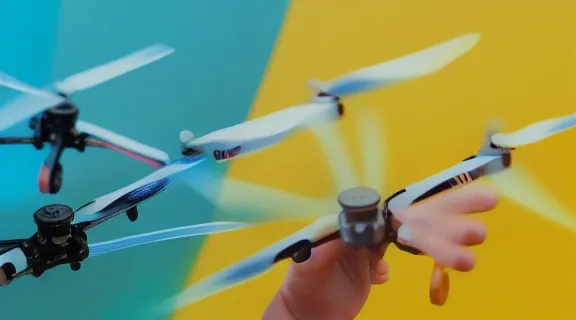
Best Drones for Kids: Top Picks for Young Pilots
Navigating the world of drones can seem daunting, especially when searching for a model suitable for younger enthusiasts. However, the market offers an exciting array of the best drones for kids, designed with simplicity, safety, and durability in mind. This guide cuts through the noise, presenting top-rated, easy-to-fly drones perfect for budding aviators or those seeking an affordable entry into the hobby.
Why Choose Drones for Kids? Beyond Just Fun
Drones offer more than just entertainment; they serve as engaging educational tools that foster a range of valuable skills in children. Introducing a child to drone flying can spark an interest in STEM (Science, Technology, Engineering, and Mathematics) fields, providing hands-on experience with principles of physics, aerodynamics, and basic programming.
Developing Essential Skills
Operating a drone requires and refines several cognitive and motor skills:
- Hand-Eye Coordination: Piloting a drone demands precise control inputs while observing its movement, enhancing coordination.
- Problem-Solving: Encountering obstacles, managing battery life, or recovering from a crash requires critical thinking and quick problem-solving.
- Spatial Awareness: Understanding the drone's position in 3D space relative to its surroundings is crucial for successful navigation and avoiding collisions.
- Patience and Persistence: Mastering drone control takes practice. Children learn the value of patience and persistence as they overcome initial challenges and improve their flying abilities.
- Technological Literacy: Familiarity with drone technology, from controllers to basic flight dynamics, builds a foundational understanding of modern tech.
Encouraging Outdoor Activity
In an age dominated by screens, drones offer a compelling reason to step outside. Flying a drone in an open park or backyard encourages children to engage with their physical environment, breathe fresh air, and enjoy active play. This outdoor engagement can be a refreshing break from indoor activities, promoting physical well-being alongside mental stimulation.
Fostering Responsibility
Owning a drone comes with responsibilities. Children learn about safe operation, respecting privacy, understanding basic regulations, and caring for their equipment. This can instill a sense of ownership and accountability, crucial life lessons learned through an enjoyable hobby. For instance, understanding why a drone shouldn't be flown near people or pets, or the importance of charging batteries properly, teaches practical responsibility.
Key Features to Look for in Kids' Drones
When selecting the best drones for kids, specific features differentiate a suitable model from one that might lead to frustration or safety concerns. Prioritizing these aspects ensures a positive and educational experience for young pilots.
Durability and Crash Resistance
Kids, especially beginners, are prone to crashes. A drone designed for children must withstand bumps, drops, and impacts without significant damage. Look for:
- Robust Materials: ABS plastic or flexible frames are more forgiving than brittle composites.
- Propeller Guards: Essential for protecting propellers from impacts and, more importantly, protecting fingers from spinning blades. These often come integrated or as easy-to-attach accessories.
- Modular Design: Drones with easily replaceable parts (propellers, motors) extend their lifespan and teach basic maintenance.
Ease of Use and Control
A steep learning curve can quickly deter a young pilot. The best drones for kids feature intuitive controls:
- One-Key Takeoff/Landing: Simplifies the most challenging parts of flight initiation and termination.
- Altitude Hold: Automatically maintains a set altitude, allowing pilots to focus on directional control rather than throttle management. This feature is a game-changer for beginners.
- Headless Mode: Eliminates the need to orient the drone. Regardless of the drone's actual front, pushing the joystick forward always makes it fly away from the pilot, simplifying navigation.
- Multiple Speed Modes: Allows beginners to start slow and gradually increase speed as their skills improve.
- Simple Remote Control: Ergonomic design with clearly labeled buttons and joysticks that are comfortable for smaller hands.
Safety Features
Safety is paramount when children are involved with flying objects.
- Emergency Stop: A button that immediately cuts power to the motors, preventing potential hazards.
- Low Battery Warning: Visual or audible alerts that indicate when the battery is running low, allowing time for a safe landing.
- Propeller Guards: As mentioned, these are crucial for preventing injury and protecting the drone itself.
- Lightweight Design: Lighter drones generally cause less damage upon impact compared to heavier models.
Battery Life and Charging
Short flight times can interrupt fun and learning. While small drones inherently have limited battery life, look for:
- Manageable Flight Times: 5-10 minutes is common for mini drones. Anything less might be too short.
- Quick Charging: USB charging is convenient.
- Multiple Batteries: Many manufacturers offer packs with several batteries, allowing for extended play sessions by swapping them out.
Camera vs. No Camera
The decision to include a camera depends on the child's age and interest:
- No Camera: Often simpler, lighter, more durable, and less expensive. Ideal for younger children focused solely on flying.
- Basic Camera (720p): Can add another layer of fun, allowing kids to capture aerial photos or videos. Look for FPV (First Person View) capability if possible, where the camera streams live video to a smartphone, though this adds complexity.
- Advanced Camera (1080p+): Usually found on more expensive models. While exciting, these might be overkill for a child's first drone and increase the risk of damage to sensitive components.
Price Point
Drones for kids typically range from $20 for basic mini-drones to $100-$200 for more advanced beginner models with cameras and advanced features. Consider:
- Entry-Level Budget: Perfect for testing interest without a significant investment.
- Mid-Range: Offers a balance of features, durability, and performance for a slightly higher cost.
- Value for Money: Consider what features are most important and find a drone that offers them without breaking the bank.
Types of Drones Suitable for Young Pilots
Understanding the different categories of drones available helps narrow down the choices for young pilots. Each type offers a distinct experience and is suited for different age groups and skill levels.
Mini Drones / Micro Drones
These are the smallest and often most affordable drones, perfect for absolute beginners and younger children.
- Characteristics: Palm-sized, extremely lightweight, typically feature basic controls, excellent durability due to their small size and low mass. Many are designed for indoor flight.
- Pros: Very safe, easy to learn, highly crash-resistant, inexpensive. Great for developing basic control skills.
- Cons: Limited flight time (often 5-7 minutes), no camera or very basic low-resolution camera, easily affected by wind outdoors.
- Ideal for: Children aged 6-10, indoor flying, learning fundamental flight controls.
Beginner Drones / Toy Drones
Slightly larger than mini drones, these offer more features and often a better outdoor flying experience while maintaining ease of use.
- Characteristics: Often come with propeller guards, altitude hold, headless mode, and sometimes a basic 720p camera. More stable in light winds than mini drones.
- Pros: Good balance of features and ease of use, suitable for both indoor and calm outdoor conditions, often include multiple speed modes.
- Cons: Still have relatively short flight times (8-15 minutes), cameras are typically basic, not designed for windy conditions.
- Ideal for: Children aged 8-14, progressing from mini-drones, those wanting their first camera drone.
Educational / Programmable Drones
These drones go beyond simple flying, introducing children to coding and drone technology principles.
- Characteristics: Often come with companion apps that allow users to program flight paths using block-based coding (like Scratch). Might have more advanced sensors for obstacle avoidance or precision landing.
- Pros: Excellent for STEM education, teaches basic programming logic, combines fun with learning.
- Cons: Can be more expensive, programming aspect might be too complex for very young children without supervision.
- Ideal for: Tech-savvy children aged 10+, those interested in coding, structured learning environments.
Top Picks: Best Drones for Kids
Choosing the best drones for kids involves balancing affordability, durability, and engaging features. Here are some categories of drones that consistently deliver a great experience for young pilots, focusing on the archetypal features users should look for.
The Ultra-Durable Indoor Flyer: Mini-Hopper X
This archetypal mini-drone is perfect for getting started indoors. Its compact size and robust frame make it virtually indestructible, ideal for countless learning crashes.
- Key Features:
- Full Propeller Guards: Integrated guards shield all four propellers, making it safe for indoor environments and protecting furniture.
- One-Key Takeoff/Landing: Simplifies the initial and final stages of flight.
- Altitude Hold: Maintains a steady height, allowing new pilots to focus on direction.
- Multiple Speed Modes: Low-speed mode for beginners, high-speed for more experienced pilots.
- LED Lights: Adds a fun visual element, especially in dim lighting, and helps with orientation.
- Pros: Extremely durable, very easy to fly, excellent for indoor practice, highly affordable.
- Cons: Short flight time (around 5-7 minutes), no camera, struggles in any outdoor wind.
- Best for: Young children (6-9 years old), absolute beginners, indoor learning.
The Beginner's Camera Companion: Sky-Explorer Junior
For kids ready to capture their first aerial views, this type of beginner drone offers a good balance of easy flight and basic camera functionality.
- Key Features:
- 720p HD Camera: Capable of basic photo and video capture, often with FPV (First Person View) capability via a smartphone app.
- Altitude Hold & Headless Mode: Essential for beginner-friendly control.
- Optical Flow Positioning (sometimes): Helps maintain position more stably, particularly indoors.
- Modular Batteries: Often comes with 2-3 batteries for extended playtime.
- Customizable Flight Path: Some models allow drawing a path on a smartphone screen for the drone to follow.
- Pros: Introduces photography/videography, good stability, suitable for calm outdoor flights, generally good value.
- Cons: Camera quality is basic, battery life still relatively short (8-12 minutes per battery), not ideal for windy conditions.
- Best for: Children (8-12 years old) who want to experience drone photography, outdoor and indoor use in calm conditions.
The STEM-Focused Programmable Drone: CodePilot Educational
This category of drone is designed to introduce children to the world of coding and robotics in an engaging way, perfect for educational settings or curious young minds.
- Key Features:
- Block-Based Coding Interface: Connects to a tablet/smartphone app where children can drag-and-drop code blocks to program flight paths and stunts.
- Precise Sensors: Often includes infrared sensors for obstacle detection or ground sensors for stable hovering.
- Modular Design: Some models allow for attaching small accessories or even building custom frames.
- Robust Connectivity: Stable Wi-Fi or Bluetooth connection for programming and control.
- Pros: Excellent educational value, teaches programming fundamentals, highly engaging for tech-interested kids.
- Cons: Can be more expensive, requires a compatible smartphone/tablet, the coding aspect might need adult guidance initially.
- Best for: Older children (10+ years old) with an interest in STEM, programming, and robotics.
The Outdoor Adventure Starter: AeroRacer Pro-Kid
For kids who have mastered basic controls and are ready for more dynamic outdoor flying, this type of drone provides a bit more power and durability for open-air adventures.
- Key Features:
- Brushless Motors (sometimes): Offers more power, efficiency, and durability than brushed motors, allowing for better wind resistance.
- Improved Range: Longer control distance, suitable for larger outdoor spaces.
- Better Battery Life: Often up to 15-20 minutes of flight time.
- Sport Mode: Allows for faster, more agile flying and stunts like flips.
- GPS Positioning (rare for kids' drones, but available in some advanced beginner models): Provides enhanced stability and features like "Return to Home."
- Pros: More powerful and stable outdoors, longer flight times, introduces more advanced flying techniques.
- Cons: Typically more expensive, requires larger open spaces, might be too fast for absolute beginners.
- Best for: Experienced young pilots (10+ years old) ready for outdoor challenges, those seeking longer flights and more advanced control.
Comparison: Drones for Kids
Here's a quick comparison of the typical features across different categories of drones suitable for children:
| Feature | Mini-Hopper X (Indoor Flyer) | Sky-Explorer Junior (Beginner Camera) | CodePilot Educational (STEM) | AeroRacer Pro-Kid (Outdoor Adventure) |
|---|---|---|---|---|
| Size | Palm-sized | Small to Medium | Small to Medium | Medium |
| Durability | Excellent (highly crash-resistant) | Good (propeller guards common) | Good | Very Good (more robust build) |
| Ease of Control | Very Easy | Easy (Altitude Hold, Headless Mode) | Easy (with app control) | Moderate (multiple speed modes) |
| Camera | No | Basic 720p (optional FPV) | No or Basic | Basic 720p/1080p (optional FPV) |
| Flight Time | 5-7 minutes | 8-12 minutes (per battery) | 10-15 minutes | 15-20 minutes |
| Outdoor Suitability | Poor (indoor only) | Fair (calm conditions) | Fair (calm conditions) | Good (light wind resistance) |
| Special Features | LED lights, multiple speeds | One-key functions, path drawing | Block coding, sensors | Sport mode, improved range |
| Price Range | $20 – $50 | $40 – $100 | $80 – $150 | $100 – $200 |
| Recommended Age | 6-9 years | 8-12 years | 10+ years | 10+ years (with experience) |
Safety Guidelines for Kids Flying Drones
While drones for kids are designed with safety in mind, adult supervision and adherence to basic safety guidelines are crucial for a fun and incident-free experience.
Always Supervise Young Pilots
Even with easy-to-fly drones, direct adult supervision is non-negotiable, especially for younger children. An adult can provide guidance, intervene if the drone goes astray, and ensure the child understands and follows safety rules. Supervision also helps in teaching responsible drone operation from the outset.
Choose Safe Flying Environments
- Open Spaces: Fly in large, open areas free from people, pets, trees, power lines, and buildings. Public parks (where drones are permitted), large backyards, or designated flying fields are ideal.
- Avoid Crowds: Never fly near groups of people or over public events.
- Indoor Flying: For mini-drones, a spacious room free of fragile objects is best. Ensure windows and doors are closed.
Check Weather Conditions
Wind is the biggest enemy of small, lightweight drones.
- Low Wind: Only fly outdoors on calm days with minimal wind. Even a light breeze can quickly carry a small drone away or make it uncontrollable for a child.
- No Rain/Moisture: Most kids' drones are not waterproof. Avoid flying in rain, mist, or damp conditions.
Pre-Flight Checks
Before every flight, perform a quick inspection:
- Battery Charged: Ensure the drone and remote control batteries are fully charged.
- Propellers Secure: Check that all propellers are securely attached and free from cracks or damage. Replace any damaged props.
- Clear Area: Confirm the flying area is clear of obstacles and people.
Respect Privacy
Teach children about respecting the privacy of others.
- No Flying Over Private Property: Avoid flying over neighbors' yards or private properties without explicit permission.
- Mind the Camera: If the drone has a camera, ensure it's not used to invade privacy or record people without their consent.
Understand Local Regulations
While most kids' drones fall under recreational use and often don't require registration due to their low weight, it's still important to be aware of local drone laws.
- No-Fly Zones: Stay clear of airports, military bases, critical infrastructure, and other restricted airspace. Many drone apps or government websites provide maps of no-fly zones.
- Altitude Limits: Even small drones should not be flown excessively high.
Maintenance Tips for Kids' Drones
Proper maintenance extends the life of a kid's drone and ensures consistent performance. Simple routines can prevent common issues and keep the fun going.
Battery Care
Batteries are the heart of any drone.
- Charge Properly: Always use the manufacturer-provided charger or a reputable replacement. Avoid overcharging or completely draining batteries.
- Store Safely: Store batteries in a cool, dry place away from direct sunlight. Do not store fully charged or fully depleted; aim for around 50-60% charge for long-term storage.
- Inspect for Damage: Regularly check batteries for swelling, leaks, or physical damage. Discard damaged batteries safely according to local regulations.
Propeller Inspection and Replacement
Propellers are the most vulnerable parts of a drone.
- Regular Checks: After every crash or rough landing, inspect all propellers for cracks, bends, or chips. Even minor damage can affect flight stability.
- Timely Replacement: Replace damaged propellers immediately. Most kids' drones come with spare sets, and replacements are usually inexpensive and easy to install.
- Correct Orientation: Ensure replacement propellers are installed correctly (A-type and B-type, or marked for specific motor positions). Incorrect installation will prevent the drone from flying.
Cleaning
Drones can accumulate dust, dirt, and grass, especially when flown outdoors.
- Gentle Cleaning: Use a soft, dry brush or a can of compressed air to remove debris from motors, sensors, and the camera lens.
- Avoid Liquids: Do not use water or chemical cleaners, as they can damage electronics.
Motor Care
While motors in kids' drones are often sealed, some basic care helps.
- Clear Obstructions: Ensure no hair, string, or debris is wrapped around the motor shafts.
- Listen for Unusual Noises: Grinding or clicking noises from motors might indicate a problem requiring professional attention or replacement.
Firmware Updates (if applicable)
Some more advanced kids' drones may have firmware that can be updated.
- Check Manufacturer Website: Periodically check the manufacturer's website or app for available firmware updates, which can improve performance, add features, or fix bugs.
- Follow Instructions: Always follow the update instructions precisely to avoid bricking the drone.
Learning to Fly: Tips for Young Pilots
Getting started with drone flying can be an exhilarating experience. With the right approach and a bit of practice, young pilots can quickly master the controls.
Start with the Basics
Don't try advanced maneuvers on the first flight. Focus on fundamental controls:
- Throttle Control: Gently increasing and decreasing throttle to achieve stable hovering.
- Directional Control: Moving the drone forward, backward, left, and right in a controlled manner.
- Rotation (Yaw): Learning to turn the drone on its axis.
Start with small, deliberate movements.
Practice in a Controlled Environment
- Indoors First: For mini-drones or beginner drones, start indoors in a spacious room free of obstacles. This eliminates wind interference and provides a predictable environment.
- Outdoors on Calm Days: Once comfortable indoors, move to a large, open outdoor space with absolutely no wind.
Utilize Beginner-Friendly Features
Make full use of features like:
- Altitude Hold: Let the drone maintain its height so you can focus on direction.
- Headless Mode: If struggling with orientation, activate headless mode to simplify controls.
- Multiple Speed Modes: Always start in the slowest speed mode and gradually increase as confidence grows.
Short Practice Sessions
Keep practice sessions short and focused to avoid fatigue and frustration. 10-15 minutes at a time is often sufficient for beginners. It's better to have several short, positive experiences than one long, frustrating one.
Watch Tutorials
Many manufacturers provide video tutorials online. Watching these can offer visual guidance on controls and basic maneuvers. Online communities also offer helpful tips and tricks.
Don't Fear Crashes
Crashes are an inevitable part of learning to fly. Embrace them as learning opportunities. The best drones for kids are designed to be durable precisely for this reason. Learn from what went wrong, make adjustments, and try again.
Consider a Simulator App
Some drone brands offer simulator apps for smartphones or tablets, allowing aspiring pilots to practice controls virtually without risking their physical drone. This can be a great way to build muscle memory before taking to the skies.
Drone Regulations for Minors and Hobbyists
Understanding the rules governing drone flight is crucial for responsible operation, regardless of age. While regulations can vary by country and region, a few general principles apply to hobbyist and recreational drone use, especially for children.
Weight Matters: Under 250 Grams
Many countries, including the United States (FAA), have different rules for drones weighing under 250 grams (approximately 0.55 pounds).
- No Registration (Typically): Drones under this weight class are often exempt from federal registration requirements for recreational flyers. Most kids' drones fall into this category.
- Still Rules: Even lightweight drones must still adhere to safety guidelines and airspace restrictions.
Recreational Flying Guidelines
For recreational use, key considerations include:
- Always Fly Line of Sight: The drone must always remain within the visual line of sight of the pilot (or a visual observer who is in direct communication with the pilot). This means no flying beyond what you can see.
- Yield to Manned Aircraft: Drones must always yield the right of way to all manned aircraft. If you see an airplane or helicopter, land your drone safely.
- No Flying Over People: Avoid flying directly over people or moving vehicles.
- Respect Airspace Restrictions: Do not fly in restricted airspace, such as near airports, military bases, or designated national security areas. Many drone safety apps provide maps of these zones.
- No Dangerous Operations: Do not operate a drone in a careless or reckless manner that could endanger people or property.
Adult Responsibility
For minors operating drones, the responsibility often lies with the supervising adult. An adult should ensure that the child understands and follows all applicable rules and operates the drone safely. This includes:
- Educating the Child: Explaining why certain areas are off-limits or why flying too high is dangerous.
- Monitoring Flight: Actively supervising the child's flight and being prepared to intervene.
Check Local Laws
Beyond national regulations, cities, counties, and local parks may have their own ordinances regarding drone use. Some parks may prohibit drones entirely, while others may have specific zones or times for flying. Always check local signs or municipal websites before flying in a new area.
Frequently Asked Questions
What is a good age to start flying a drone?
Children as young as 6-8 years old can start with simple mini-drones designed for indoor use. These models are highly durable and feature easy controls like one-key takeoff and altitude hold, making them ideal for developing basic piloting skills under adult supervision.
Do kids' drones require registration?
Most drones specifically designed for kids weigh under 250 grams (0.55 pounds). In many countries, including the United States (FAA), drones under this weight are exempt from federal registration requirements for recreational flyers. However, it's always wise to check local regulations as rules can vary.
How long do kid's drone batteries last?
Battery life for kids' drones typically ranges from 5 to 15 minutes per charge, depending on the drone's size, features, and motor efficiency. Many manufacturers include multiple batteries in the package to extend play sessions, allowing children to swap them out and continue flying.
What is "headless mode" and why is it good for kids?
Headless mode simplifies drone control by eliminating the need to orient the drone. When activated, pushing the joystick forward will always make the drone fly away from the pilot, regardless of which direction the drone's "front" is facing. This feature significantly reduces frustration for beginners who are still learning drone orientation.
Are camera drones suitable for young children?
For very young children (under 8), drones without cameras are often preferable as they are simpler, more durable, and less expensive. For older children (8+) who have mastered basic flight, a drone with a basic 720p camera can add an exciting element, allowing them to capture photos and videos, enhancing their engagement with the hobby.
Take to the Skies
The world of drones offers an unparalleled blend of technology, skill development, and outdoor adventure for children. By prioritizing durability, ease of use, and essential safety features, parents can confidently choose the best drones for kids, ensuring a rewarding and educational experience. Encourage your young aviator to explore the skies responsibly and enjoy the thrill of flight.
