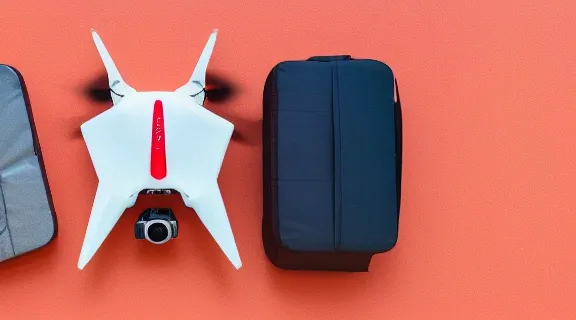
Best Travel Drones: Top Foldable & Lightweight Models
Planning your next adventure often involves packing light, yet you don't want to compromise on capturing breathtaking memories. The best travel drones offer an unparalleled perspective, transforming ordinary vacation photos into cinematic masterpieces. This guide explores the top foldable and lightweight drones specifically designed for globetrotters, ensuring you can document your journeys without being weighed down.
Why Choose a Travel Drone?
Travel drones have revolutionized how we capture memories, offering a unique aerial perspective that no ground-level camera can match. Beyond just impressive photos, they add a dynamic, cinematic quality to your travel videos. The primary appeal for travelers lies in their remarkable portability and ease of use.
Unlocking Unique Perspectives
Imagine soaring over ancient ruins, sweeping across pristine beaches, or tracing mountain ridges from above. Travel drones provide a bird's-eye view, allowing you to capture the grand scale of landscapes and architectural wonders in ways previously only accessible to professional filmmakers. This elevated vantage point creates truly distinctive and memorable content, setting your travel stories apart.
Designed for Portability
The evolution of drone technology has led to incredibly compact and lightweight designs. Modern travel drones often fold down to the size of a water bottle or even a smartphone, making them easy to slip into a backpack or carry-on luggage. This small footprint means you can bring a high-quality aerial camera without sacrificing valuable packing space, which is crucial for international travel or minimalist adventurers.
Ease of Use and Accessibility
Today's travel drones are engineered with user-friendliness in mind. Features like one-tap take-off and landing, intelligent flight modes (e.g., Follow Me, Orbit), and intuitive app interfaces mean that even beginners can achieve professional-looking footage with minimal effort. This accessibility ensures that you spend more time enjoying your trip and less time grappling with complex controls.
Key Features to Look for in Travel Drones
Selecting the ideal travel drone involves weighing several critical features against your specific needs and travel style. Understanding these attributes will help you make an informed decision.
Portability and Weight
For travel, size and weight are paramount. Look for drones that are foldable and compact, fitting easily into your bag. A significant consideration is the 250-gram weight threshold. Drones under 250 grams (like the DJI Mini series) often bypass registration requirements in many countries, simplifying international travel and compliance. This "sub-250g" classification can dramatically reduce regulatory hurdles, making your drone experience much smoother.
Camera Quality
The primary purpose of a travel drone is to capture stunning visuals. Prioritize models with excellent camera specifications:
- Resolution: 4K video at 30fps or 60fps is standard for high-quality footage. Higher frame rates (e.g., 60fps) allow for smoother motion and slow-motion effects.
- Sensor Size: A larger sensor (e.g., 1/1.3-inch or 1-inch) generally performs better in low light and captures more detail and dynamic range.
- Gimbal Stabilization: A 3-axis mechanical gimbal is essential for smooth, stable footage, counteracting wind and drone movements. Electronic image stabilization (EIS) can complement this but isn't a replacement.
- Photo Modes: Look for RAW photo capability for greater post-processing flexibility and intelligent photo modes like HDR, panoramas, and hyperlapse.
Battery Life and Charging
Longer flight times mean more opportunities to capture the perfect shot. Aim for drones offering at least 25-30 minutes of flight per battery. Consider purchasing extra batteries, especially for extended trips or remote locations without easy access to charging points. USB-C charging capability is a plus, allowing you to use common power banks or chargers.
Obstacle Avoidance
While not strictly necessary for open landscapes, obstacle avoidance sensors provide a crucial layer of safety, especially when flying in more complex environments or if you are a beginner. Advanced systems offer omnidirectional sensing, detecting obstacles from multiple directions, which helps prevent collisions and builds confidence.
Wind Resistance
Travel often takes you to unpredictable environments. A drone with good wind resistance (Level 5 or 6, indicating it can handle moderate to strong breezes) will provide more stable footage and a safer flight experience in varied weather conditions. Check the manufacturer's specifications for wind speed tolerance.
Ease of Control and Intelligent Flight Modes
Intuitive controls and a user-friendly app are vital. Intelligent flight modes (e.g., ActiveTrack, QuickShots, Waypoints) simplify complex camera movements, allowing you to focus on composition while the drone handles the flight path. These modes are particularly beneficial for solo travelers wanting to appear in their footage.
Regulatory Compliance Features
Some drones include features like ADS-B (AirSense) for detecting nearby manned aircraft or geofencing that alerts you to no-fly zones. These features contribute to safer and more compliant flying, especially when traveling to unfamiliar territories with varying drone laws.
Top Contenders: The Best Travel Drones Reviewed
The market offers several excellent travel drones, each with unique strengths. Here's a closer look at some of the leading models that balance portability, performance, and features for the discerning traveler.
DJI Mini 4 Pro
The DJI Mini 4 Pro is arguably the gold standard for travel drones, primarily due to its combination of advanced features and its critically important sub-250-gram weight. It boasts omnidirectional obstacle sensing, a feature rarely found in drones of this size, providing unparalleled safety. Its camera captures stunning 4K/60fps HDR video and 48MP RAW photos with a 1/1.3-inch sensor, delivering exceptional image quality for its class.
- Key Strengths: Ultra-lightweight (under 249g), advanced omnidirectional obstacle avoidance, excellent 4K HDR camera, extended battery life (up to 34 minutes), intelligent flight modes like ActiveTrack 360°.
- Ideal For: Travelers prioritizing maximum portability and regulatory ease without significant compromise on advanced features or camera quality. It's perfect for casual users and content creators alike.
DJI Air 3
Stepping up in size and capability, the DJI Air 3 offers a powerful dual-camera system, making it a versatile choice for more demanding aerial photographers and videographers. It features a wide-angle camera and a 3x medium tele camera, both with 1/1.3-inch CMOS sensors, allowing for greater creative flexibility in framing shots. The Air 3 also includes omnidirectional obstacle sensing and an impressive flight time.
- Key Strengths: Dual-camera system for varied perspectives, robust omnidirectional obstacle avoidance, longer flight time (up to 46 minutes), professional-grade 4K/60fps HDR video.
- Ideal For: Travelers who need more advanced camera capabilities and longer flight times, are comfortable with a slightly larger drone (720g), and don't mind the potential for more stringent registration requirements in some regions.
Autel Evo Nano+
The Autel Evo Nano+ presents a strong alternative to DJI's Mini series, often praised for its competitive camera and compact form factor. It also falls into the sub-250-gram category, making it traveler-friendly. The Nano+ features a 1/1.28-inch (0.8-inch) CMOS sensor capable of 4K/30fps video and 50MP photos, delivering excellent low-light performance and vivid colors. It includes three-way obstacle avoidance (forward, backward, downward).
- Key Strengths: Sub-250g weight, large sensor for its class, excellent low-light performance, competitive camera quality, three-way obstacle avoidance.
- Ideal For: Travelers seeking a high-quality, lightweight drone outside the DJI ecosystem, particularly those who value strong low-light performance and a competitive feature set in a small package.
FIMI X8 Mini V2
For budget-conscious travelers, the FIMI X8 Mini V2 offers an attractive package. It aims to compete in the sub-250-gram category (with a standard battery) and provides a 4K/30fps camera with a 3-axis gimbal. While it might not match the advanced obstacle avoidance or refined software of the premium brands, it delivers solid performance for its price point.
- Key Strengths: Affordable, sub-250g weight (with standard battery), 4K camera with 3-axis gimbal, decent flight time (up to 37 minutes with Pro battery).
- Ideal For: Entry-level drone users or travelers on a strict budget who want a capable 4K camera drone without breaking the bank, primarily for open-sky footage where obstacle avoidance is less critical.
Comparison Table: Travel Drone Specifications
| Feature | DJI Mini 4 Pro | DJI Air 3 | Autel Evo Nano+ | FIMI X8 Mini V2 |
|---|---|---|---|---|
| Weight | Under 249g | 720g | Under 249g | Under 249g (standard battery) |
| Max Flight Time | 34 minutes (Intelligent Battery) | 46 minutes (Intelligent Battery) | 28 minutes | 37 minutes (Pro battery) |
| Camera Sensor | 1/1.3-inch CMOS | Dual 1/1.3-inch CMOS | 1/1.28-inch CMOS | 1/2.6-inch CMOS |
| Video Resolution | 4K/60fps HDR | 4K/60fps HDR | 4K/30fps | 4K/30fps |
| Photo Resolution | 48MP | 48MP | 50MP | 12MP |
| Obstacle Avoidance | Omnidirectional | Omnidirectional | 3-way (Forward, Backward, Down) | No |
| Wind Resistance | Level 5 (10.7 m/s) | Level 6 (12 m/s) | Level 5 (10.7 m/s) | Level 5 (10.7 m/s) |
| Foldable | Yes | Yes | Yes | Yes |
Note: Specifications are based on manufacturer data and may vary slightly with updates or specific configurations.
Essential Accessories for Your Travel Drone
A drone alone is a powerful tool, but a few key accessories can significantly enhance your travel drone experience, improve footage quality, and ensure the longevity of your equipment.
Extra Batteries
This is arguably the most crucial accessory. Standard drone batteries typically offer 25-45 minutes of flight time. Carrying at least two, preferably three, extra batteries ensures you have ample flight time to capture diverse shots, especially in remote areas where charging opportunities are scarce.
ND Filters (Neutral Density Filters)
ND filters are like sunglasses for your drone's camera. They reduce the amount of light entering the lens, allowing you to use slower shutter speeds in bright conditions. This is essential for achieving cinematic motion blur in videos, preventing overly bright images, and maintaining proper exposure. A good set will include various strengths (e.g., ND8, ND16, ND32, ND64).
Portable Charger/Power Bank
A high-capacity power bank capable of USB-C Power Delivery (PD) can charge your drone batteries, controller, and phone on the go. This is invaluable when traveling, especially during long layovers or in locations without readily available power outlets.
Landing Pad
A small, foldable landing pad provides a clean, flat surface for take-off and landing, protecting your drone's propellers and camera from dust, sand, or tall grass. This is particularly useful when operating in uneven terrain or dusty environments.
Hard Case or Protective Bag
While many travel drones come with soft cases, a more robust hard case or a dedicated protective backpack insert offers superior protection against impacts, moisture, and dust during transit. Look for custom-fit inserts that securely hold the drone, controller, and accessories.
High-Speed MicroSD Cards
Video recording, especially 4K footage, demands fast read/write speeds. Invest in several high-capacity (e.g., 64GB, 128GB) U3/V30 or higher-rated microSD cards from reputable brands. Always carry backups and consider rotating them to distribute your footage across multiple cards.
Navigating Drone Regulations While Traveling
Drone laws vary significantly from country to country, and even within regions of the same country. Failing to comply can lead to fines, confiscation, or even legal trouble. Always research local regulations thoroughly before you travel.
Understanding Local Laws
Before flying in any new country, consult official government aviation websites or reputable drone community forums for specific rules. Key areas of concern include:
- Registration: Many countries require drones above a certain weight (often 250g) to be registered with the national aviation authority. Some even require registration for all drones.
- Operating Licenses/Permits: Some regions demand pilot licenses or specific permits for commercial or even recreational drone use.
- No-Fly Zones: These typically include airports, military bases, national parks, government buildings, critical infrastructure, and crowded public events. Many drone apps have built-in geofencing that alerts you to these zones.
- Privacy: Be mindful of local privacy laws regarding filming individuals or private property without consent.
- Insurance: Some countries require drone liability insurance.
Sub-250g Advantage
Drones weighing under 250 grams, such as the DJI Mini series or Autel Evo Nano+, often fall into a less regulated category in many jurisdictions. This can mean no registration requirements for recreational use, making them significantly easier to travel with internationally. However, always verify this for your specific destination, as laws can change.
Carrying Your Drone on a Plane
Most airlines allow drones in carry-on luggage. Batteries, especially LiPo batteries, must almost always be carried in your carry-on, not checked baggage, due to fire risk. Check your airline's specific policies on battery size (Wh rating) and quantity limits. It's advisable to discharge batteries to around 30-50% for air travel, as fully charged batteries pose a higher risk.
Tips for Capturing Stunning Travel Footage
Mastering your drone camera takes practice, but following these tips will significantly improve the quality of your travel photos and videos.
Plan Your Shots
Don't just launch and hope for the best. Before take-off, scout your location, identify interesting angles, consider the lighting conditions (golden hour is often best), and visualize the shots you want to achieve. This pre-planning saves battery life and yields more impactful results.
Master Composition
Apply fundamental photography rules to your aerial shots. Use the Rule of Thirds to position subjects, look for leading lines to draw the viewer's eye, and explore symmetrical patterns from above. Vary your altitude and angle to find the most compelling perspective.
Utilize Intelligent Flight Modes
Modern drones offer a suite of automated flight paths that can create stunning, complex shots with ease.
- QuickShots (e.g., Dronie, Rocket, Helix, Boomerang): Perfect for cinematic selfies or dynamic reveals.
- ActiveTrack/Follow Me: Ideal for tracking moving subjects (e.g., a boat, a car, or yourself walking).
- Waypoints: Program a specific flight path with predefined camera actions for repeatable, professional-looking sequences.
Pay Attention to Weather and Light
Wind is a drone's enemy; strong gusts can destabilize your footage or even cause a crash. Always check wind forecasts. Shoot during "golden hour" (shortly after sunrise or before sunset) for soft, warm light and long shadows that add depth and drama. Avoid harsh midday sun, which can create flat, overexposed images.
Post-Processing is Key
Even the best raw footage can be improved. Use video editing software (e.g., DaVinci Resolve, Adobe Premiere Pro, CapCut) to color grade, stabilize, trim, and add music to your clips. For photos, software like Adobe Lightroom allows you to adjust exposure, contrast, and color to bring out the best in your aerial captures. Don't be afraid to experiment and develop your unique style.
Common Mistakes to Avoid
Even experienced drone pilots can make errors, but many common pitfalls can be avoided with careful preparation and attention.
Ignoring Local Regulations
As mentioned, this is paramount. Flying in restricted airspace or without the necessary permits can lead to severe consequences. Always verify local laws for every location you visit.
Poor Battery Management
Failing to monitor battery levels, flying too far from home, or not carrying extra batteries are common mistakes. Always ensure you have enough charge for the return journey, plus a buffer for unexpected wind or maneuvers. Land when the battery reaches 20-25%.
Flying in Inappropriate Weather
Never fly in heavy rain, dense fog, or strong winds beyond your drone's rated resistance. Water can damage electronics, fog can disorient the pilot, and high winds can lead to loss of control or a crash.
Rushing Your Shots
Taking your time to set up, compose, and execute a smooth flight path will yield far better results than hastily launching and shooting. Patience is a virtue in drone photography.
Neglecting Pre-Flight Checks
Before every flight, perform a quick visual inspection:
- Are propellers free of damage and securely attached?
- Is the battery fully charged and properly inserted?
- Is the gimbal free to move?
- Is the microSD card inserted and formatted?
- Are you in a safe, open area, clear of obstacles?
Forgetting to Calibrate
Compass and IMU (Inertial Measurement Unit) calibration can sometimes be necessary, especially after traveling long distances or if the drone behaves erratically. Always follow your drone's app prompts for calibration when required.
Frequently Asked Questions
Are travel drones hard to fly for beginners?
Modern travel drones are designed with user-friendliness in mind, making them surprisingly easy for beginners to learn. Features like GPS stabilization, one-tap take-off/landing, and intelligent flight modes simplify the learning curve. Most people can comfortably fly a drone after a few practice sessions in an open area.
What's the best camera quality for a travel drone?
For excellent travel footage, aim for a drone capable of recording 4K video at 30fps or 60fps. A larger sensor (e.g., 1/1.3-inch or 1-inch) will also significantly improve image quality, especially in low light and for capturing dynamic range. A 3-axis mechanical gimbal is essential for stable, smooth video.
How long do travel drone batteries last?
Most travel drone batteries offer a flight time between 25 and 45 minutes per charge. Factors like wind, flight speed, and temperature can slightly reduce this duration. For extended shooting sessions, it's highly recommended to carry at least two, if not three, extra batteries.
Do I need to register my travel drone?
It depends on the drone's weight and the country you're visiting. Drones under 250 grams, like the DJI Mini 4 Pro, often do not require registration for recreational use in many countries, simplifying international travel. However, larger drones almost always require registration. Always research the specific drone laws of your destination before flying.
Conclusion
Choosing the best travel drone means balancing portability with performance to capture your adventures from a unique perspective. By focusing on lightweight, foldable designs, robust camera capabilities, and essential features like obstacle avoidance and long battery life, you can find a drone that perfectly complements your travel style. Remember to prioritize regulatory compliance and practice safe flying habits to ensure your aerial journeys are as smooth as your footage. Select the right travel drone, and elevate your storytelling to new heights.
